
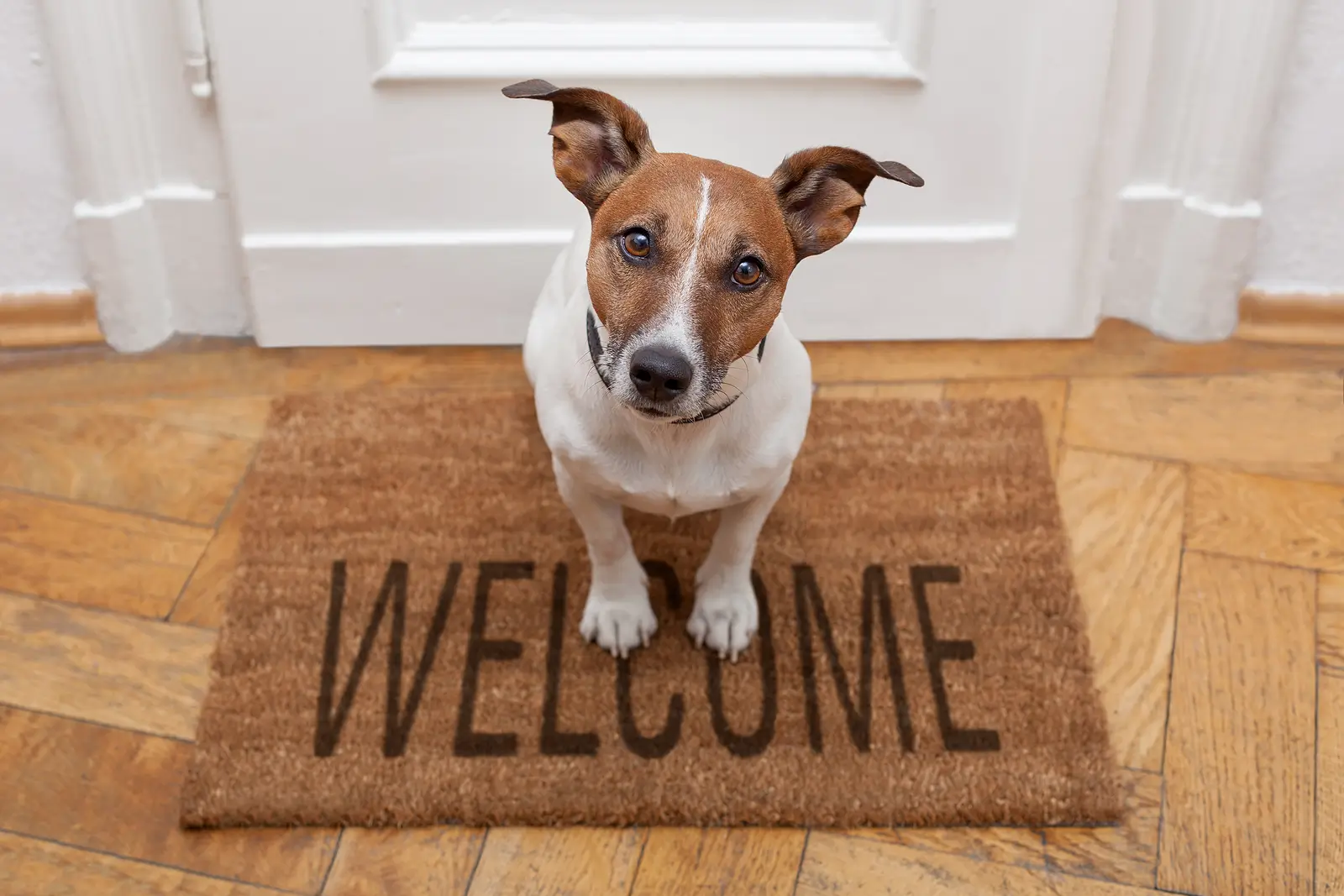
Pets have officially entered their “can’t-live-without-them” era. Dogs have Instagram accounts, cats have opinions, and goldfish somehow still survive all of it. For renters, pets are family. For landlords and investors, pets can be either a profit booster or a carpet replacement waiting to happen.
At Renew, we work with property owners and tenants across Tennessee every day, and one thing is clear: pet-friendly rentals are no longer a niche; they’re a market expectation. But before you slap a “Pets Welcome” sign on your listing, it’s worth understanding both sides of the leash.
This guide breaks down the pros and cons of pet-friendly rentals, how pricing and lease add-ons really work, and how smart policies can protect your investment while attracting better tenants.
Key Takeaways at a Glance
- Pet-friendly rentals often lease faster and at higher rents
- Pet fees, pet rent, and deposits must be structured carefully
- Pets can increase wear-and-tear, but good screening reduces risk
- Clear lease add-ons protect both landlords and tenants
- Professional property management makes pet policies easier to enforce
Why Pet-Friendly Rentals Are in High Demand
Roughly two-thirds of U.S. households own a pet, and renters make up a large portion of that group. Yet many rental listings still say “no pets,” creating a major supply-and-demand imbalance.
What does that mean for property owners?
Simple: less competition and more pricing power.
Pet owners often:
- Stay longer to avoid the hassle of moving
- Accept higher rents and added fees
- Take better care of properties to secure lease renewals
For tenants, pet-friendly housing offers flexibility, stability, and peace of mind. For investors and landlords, it can mean higher returns when done right.
The Pros of Offering Pet-Friendly Rentals
1. Faster Leasing and Higher Demand
Pet-friendly listings typically receive more inquiries and lease faster than pet-restricted properties. When demand rises, vacancies shrink, and vacancy is one of the biggest profit killers in real estate.
2. Additional Revenue Streams
This is where pricing strategy shines. Pet ownership opens the door to:
- Pet rent (monthly fee)
- Non-refundable pet fees
- Pet deposits (where allowed by law)
These add-ons can significantly increase annual income without raising base rent beyond market limits.
3. Longer Tenant Retention
Pet owners don’t move casually. Once they find a good home that welcomes their furry companion, they’re far more likely to renew year after year. That means fewer turnovers, lower marketing costs, and less wear from frequent move-ins.
4. Competitive Advantage for Investors
In crowded rental markets, pet-friendly policies can set your property apart. Investors who allow pets often outperform similar properties that don’t, especially in suburban and single-family rental markets.
The Cons of Pet-Friendly Rentals (and Why They’re Manageable)
Pet-friendly doesn’t mean problem-free. Being realistic builds trust and smarter policies.
1. Property Wear and Tear
Scratched floors, chewed trim, stained carpets, yes, it happens. But modern pet policies account for this through:
- Pet deposits
- Cleaning clauses
- Move-out inspections
Many landlords find that normal human wear often causes more damage than pets.
2. Liability Concerns
Aggressive breeds, bites, or noise complaints can create legal exposure. This is why strong lease language and insurance requirements matter.
Breed restrictions, weight limits, and required renter’s insurance with pet liability coverage help minimize risk.
3. Neighbor Complaints
Noise and pet waste are common concerns, especially in multi-family properties. Clear rules, enforcement, and pet behavior expectations reduce friction between tenants.
Pricing Pet-Friendly Rentals the Smart Way
This is where experience matters. Pricing too low increases risk. Pricing too high scares off good tenants.
Pet Deposits
Refundable deposits protect against damage but must comply with state and local laws. Some jurisdictions limit how deposits are collected or returned.
Non-Refundable Pet Fees
These help cover cleaning and minor wear. They’re popular because they’re simple, but they must be disclosed clearly in the lease.
Monthly Pet Rent
Often overlooked, pet rent spreads risk over time and boosts long-term cash flow. Even $25–$50 per month adds up significantly over a lease term.
The key is balance. Pet pricing should reflect real risk, not fear.
Lease Add-Ons That Protect Everyone
A strong pet policy lives in the lease, not in a handshake agreement.
Effective pet add-ons typically include:
- Approved pet types, size, and number
- Vaccination and licensing requirements
- Behavior and noise expectations
- Pet-related damage responsibility
- Right to revoke pet privileges for violations
Clear expectations reduce disputes, protect the property, and keep relationships professional.
Screening Pets Is Just as Important as Screening Tenants
Pet screening isn’t about being picky; it’s about being smart.
Many landlords now require:
- Pet profiles with photos
- Vet records
- References from previous landlords
Responsible pet owners welcome this. It shows you care about the community and the condition of the home.
Frequently Asked Questions about Pet-Friendly Rentals
Do pet-friendly rentals really make more money?
Yes, when structured properly. Between faster leasing, higher rent tolerance, and pet-related fees, many landlords see a measurable increase in annual income.
What’s the difference between pet rent and a pet deposit?
A pet deposit is typically refundable and covers damage. Pet rent is a recurring monthly charge that compensates for increased wear over time.
Can landlords legally restrict certain breeds?
In many cases, yes, but laws vary. Some insurance providers also impose breed restrictions. Always ensure policies comply with fair housing laws and local regulations.
Are service animals considered pets?
No. Service animals and emotional support animals are not pets and are protected under fair housing laws. Pet fees and restrictions generally do not apply.
How many pets should landlords allow?
Most properties limit pets to one or two. The right number depends on property size, layout, and local market expectations.
Turning Pet Policies into Profit (Without the Headaches)
Pet-friendly rentals aren’t about saying yes to every animal; they’re about creating clear, enforceable systems that work for everyone involved.
At Renew Real Estate Services, we help property owners design smart pet policies, set competitive pricing, and manage leases that protect long-term value. Whether you’re an investor scaling your portfolio or a landlord navigating pet rules for the first time, professional guidance makes all the difference.
If you’re curious how pet-friendly strategies could increase your rental performance or want help managing tenants, leases, and compliance, we invite you to explore our services or schedule a free consultation. The right approach doesn’t just welcome pets, it strengthens your investment.