
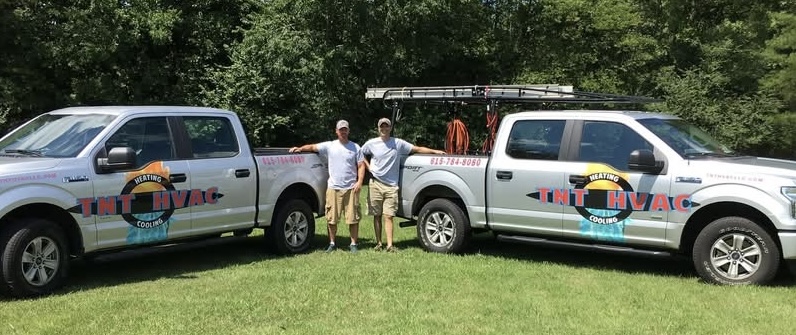
At RENEW Real Estate Services, one of the decisions that consistently protects our owners’ investments is who we send out to handle repairs. Maintenance affects the condition of the property, the tenant’s experience, and the long-term cost of ownership. That’s why we use licensed, insured professionals for HVAC, plumbing, electrical, and other specialized trades, while relying on qualified handymen and maintenance professionals for the routine work they are equipped to handle.
We’ve managed properties in Nashville long enough to see the difference play out in real outcomes. Here’s why this approach matters.
The Right Professional for the Job
Not every maintenance task requires a licensed contractor. Minor drywall repairs, touch-up painting, replacing hardware, adjusting doors, installing fixtures, and other routine work can often be handled efficiently and cost-effectively by a qualified handyman.
The key is knowing where the line is. When a repair involves HVAC, plumbing, electrical systems, gas, structural issues, or other specialized work, we use the appropriate licensed professional. Our role is to match the job to the right level of expertise—never automatically sending a licensed contractor for every small repair, but also never cutting corners by using an unqualified person for work that requires specialized knowledge, licensing, or permits.
Getting It Right the First Time
Licensed trade contractors typically arrive with specialized tools, equipment, and the common parts needed for the work they perform. They can diagnose the issue, pull what they need from the truck, and finish the job in one visit far more often than a general handyman can.
Handymen frequently don’t have the right parts on hand and end up driving to Home Depot mid-job. You pay for that drive time, the repair takes longer, and the tenant deals with extra disruption. When an improperly completed repair fails within a year or two, the owner pays twice—plus any secondary damage. Professional work reduces that expensive cycle.
Insurance, Accountability, and Standing Behind the Work
The professionals we use carry appropriate liability insurance and, where applicable, workers’ compensation. If something goes wrong, there is real protection. A common example: a handyman attempts a plumbing repair, the connection fails, and water damages flooring or drywall. The owner is left covering the costs and potential lost rent. A licensed plumber is far less likely to create that problem. If an issue does arise, they typically return and correct it at no extra charge. When a contractor’s workmanship causes damage, their general liability insurance provides an important layer of protection for the owner.
A lower hourly rate can look appealing on the first invoice. The true cost often shows up later in failed repairs, improper workmanship, and the absence of meaningful insurance coverage.
Safety Is Non-Negotiable on Certain Systems
Some work simply cannot be left to chance. Electrical repairs done by someone without proper training and licensing can create fire hazards. HVAC systems involve refrigerant, gas connections, and electrical components that also carry safety and code implications. Licensed professionals are trained for this work. When permits are required, they can pull them. That keeps the property compliant and protects the owner from issues that can surface during inspections or a future sale.
We do not put unlicensed or under-qualified people on work that carries safety risk. The potential short-term savings are not worth the downside.
The Right Diagnosis Matters
The person diagnosing a maintenance problem can be just as important as the person fixing it. A tenant may report that the air conditioning isn’t working, a toilet is leaking, or a breaker keeps tripping. The solution isn’t always as simple as replacing the first failed component someone finds. The underlying cause needs to be identified.
Is the HVAC issue minor, or is a larger problem developing? Is a plumbing leak isolated, or a symptom of a deteriorating component? Is an electrical issue a simple fix, or does it point to a bigger problem with the home’s system?
Our job is not simply to find the cheapest person who can respond to a work order. It is to determine what type of professional the situation requires and make decisions that protect the property over the long term. The goal is to understand what caused the problem, address it correctly, and avoid paying for the same issue again months later.
Capacity, Scheduling, and Tenant Experience
Licensed companies often maintain multiple crews. When a larger job arises—a significant plumbing project, electrical work, or a more involved renovation—they can put additional people on it and finish faster. A solo handyman is limited by one person’s time and skill set.
These professionals also tend to approach scheduling and tenant communication more consistently. Clearer notice, more reliable work windows, and a professional presence all contribute to a better resident experience. That matters for retention. Tenants who deal with repeated delays or incomplete work are more likely to leave. Good maintenance supports longer tenancies and fewer vacancies.
How We Vet Vendors (and Keep Them Accountable)
We do not simply hire the first available person with a truck and some tools. Our key subcontractors go through a deliberate screening process. We verify active licensing, current insurance (liability and workers’ compensation), and relevant trade credentials. We look at their track record on similar residential work, responsiveness, quality of documentation, and how they interact with tenants. We also confirm they can pull permits when required and that they understand local codes. Most importantly, we test them first on properties owned by the RENEW team to ensure they meet our standards.
Once a vendor is in our network, the relationship does not end. We monitor performance through work orders, tenant feedback surveys, photo documentation, and owner results. Vendors who consistently deliver quality work, show up on time, and stand behind their repairs stay in the rotation. Those who do not are removed. This ongoing accountability is one of the practical advantages of working with a management company that handles volume across many properties.
More Than Finding a Contractor
Hiring a qualified contractor is only one part of effective maintenance management. The real value of an experienced property manager is knowing which vendor to use, how to describe the problem, what questions to ask, when to approve a repair, and how to make sure the work is completed properly.
At RENEW, our role extends from the initial maintenance request all the way through completion. We evaluate the issue, determine the appropriate type of professional, coordinate scheduling with the tenant, obtain estimates or approvals when needed, monitor the work, review the completed repair, and maintain the documentation in our systems. If something isn’t right, we follow up with the vendor rather than leaving the owner or tenant to chase them down.
Maintenance problems rarely exist in isolation. A small leak that isn’t addressed correctly can become water damage. A recurring HVAC issue can turn into a much larger system failure. A repair that isn’t properly documented can create questions months or years later. Owners are not simply paying for someone to show up and turn a wrench. They are paying for the judgment, coordination, and oversight that happen before, during, and after the repair.
Long-Standing Relationships and Real Cost Savings
One advantage that comes from the volume of work we manage is the relationships we’ve built over many years with our key subcontractors. Some of our key vendors have been with us for well over 10 years. That consistency produces pre-negotiated rates and volume discounts that are not available to a regular retail customer or an owner calling for a single repair. Those savings are passed through to our owners.
These relationships also reduce the hidden costs that come with lower-quality work: fewer callbacks, less secondary damage, shorter vacancy times during turns, and fewer after-hours emergencies. These vendors know our systems and standards. The lower hourly rate of a handyman often looks attractive on the first invoice. The total cost of ownership over two or three years tells a different story.
Documentation, Coordination, and Less Hassle for Owners
Every work order, invoice, and photo is tracked through our systems and made available to owners. Approvals for larger repairs can happen quickly through the Owner Portal instead of long email chains. Emergency coverage is in place after hours, on weekends, and holidays. Our vendors understand that partnering with us includes availability for after-hours emergencies. The goal is simple: the owner stays informed without having to manage the day-to-day coordination themselves.
The Long-Term Cost of Property Maintenance
The lowest invoice is not always the lowest cost. A $150 repair that fails six months later is not really a $150 repair. It can become a second service call, additional parts, tenant inconvenience, emergency labor, secondary property damage, and potentially lost rent. By the time everything is resolved, the original savings can disappear quickly.
That is why we look at maintenance decisions through a longer lens. The question isn’t simply, “Who can do this for the least money today?” It is, “Who can solve this problem correctly, at a reasonable cost, while minimizing the likelihood of having to address it again?”
The Longer View: Protecting the Asset
At RENEW, we manage a substantial portfolio of homes across Middle Tennessee. We see the real results of different maintenance approaches every week—both the ones that protect an owner’s investment and the ones that quietly erode it.
The pattern is clear. Licensed, insured professionals who arrive prepared, do the work correctly the first time, stand behind it, and carry proper insurance deliver better outcomes at a lower total cost over time. They reduce callbacks, limit secondary damage, keep properties in stronger condition, and support longer tenancies. Our long-standing relationships with these vendors also give owners access to volume pricing that individual owners cannot get on their own.
That is why licensed professionals are our standard for HVAC, plumbing, electrical, and other skilled trades. We don’t believe in spending more simply for the sake of spending more. We believe in using the right professional, at the right time, for the right job—and managing that process closely on the owner’s behalf. It is an approach designed to protect the asset, minimize unnecessary costs, and give owners confidence that maintenance is being handled with the same level of care they would expect if they were managing the property themselves.